Dal campo alla tavola, selezioniamo ogni giorno la migliore frutta e verdura

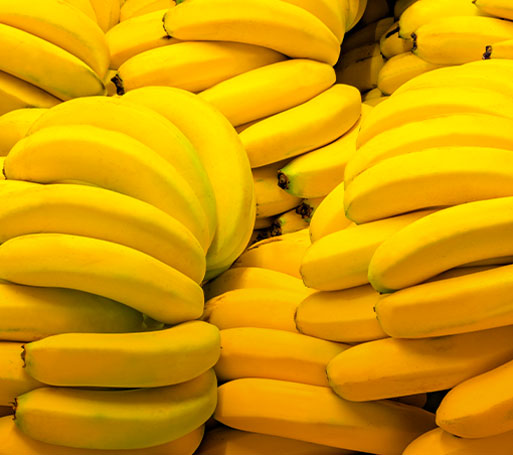
Pesche, pere, uva,
albicocche e non solo
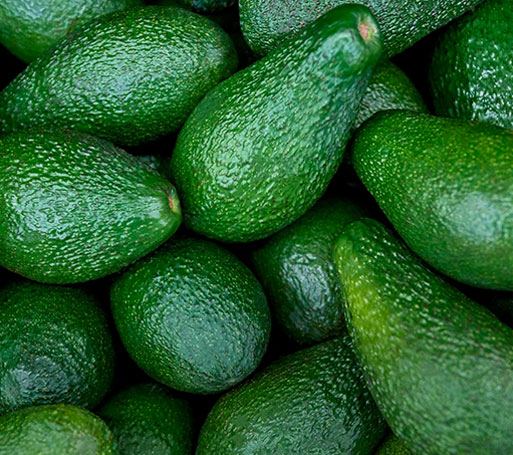
Mango, avocado, papaya,
ananas e molto altro

La frutta fresca già tagliata
e pronta da gustare
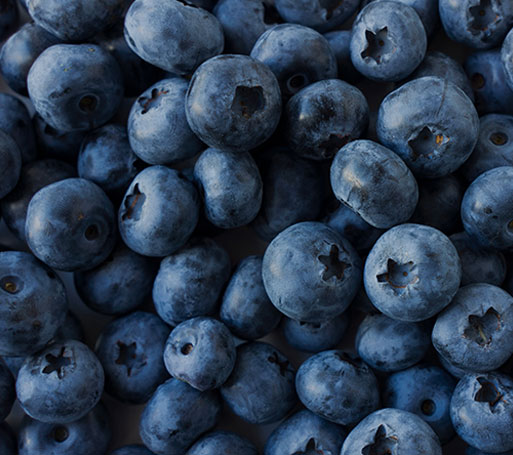
Dai lamponi ai mirtilli,
fino alle fragole e le more
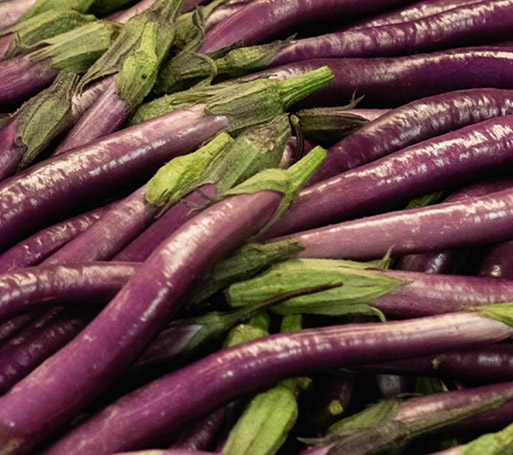
La gamma di frutta e verdura
coltivata nel rispetto dell'ambiente
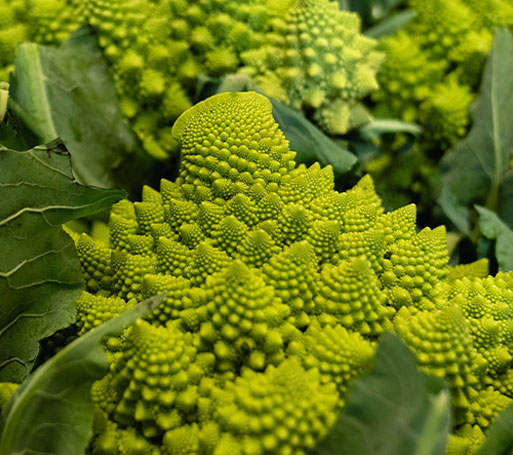
Patate, zucchine, peperoni:
così offriamo verdura di qualità
IL GRUPPO CHE DA OLTRE 65 ANNI
PORTA IN TUTTA ITALIA FRUTTA E
VERDURA Di QUALITà.
Dare a tutte le persone i
migliori prodotti per uno stile di
vita sano ed equilibrato
Assicurare condizioni
di correttezza e trasparenza
nella conduzione degli affari
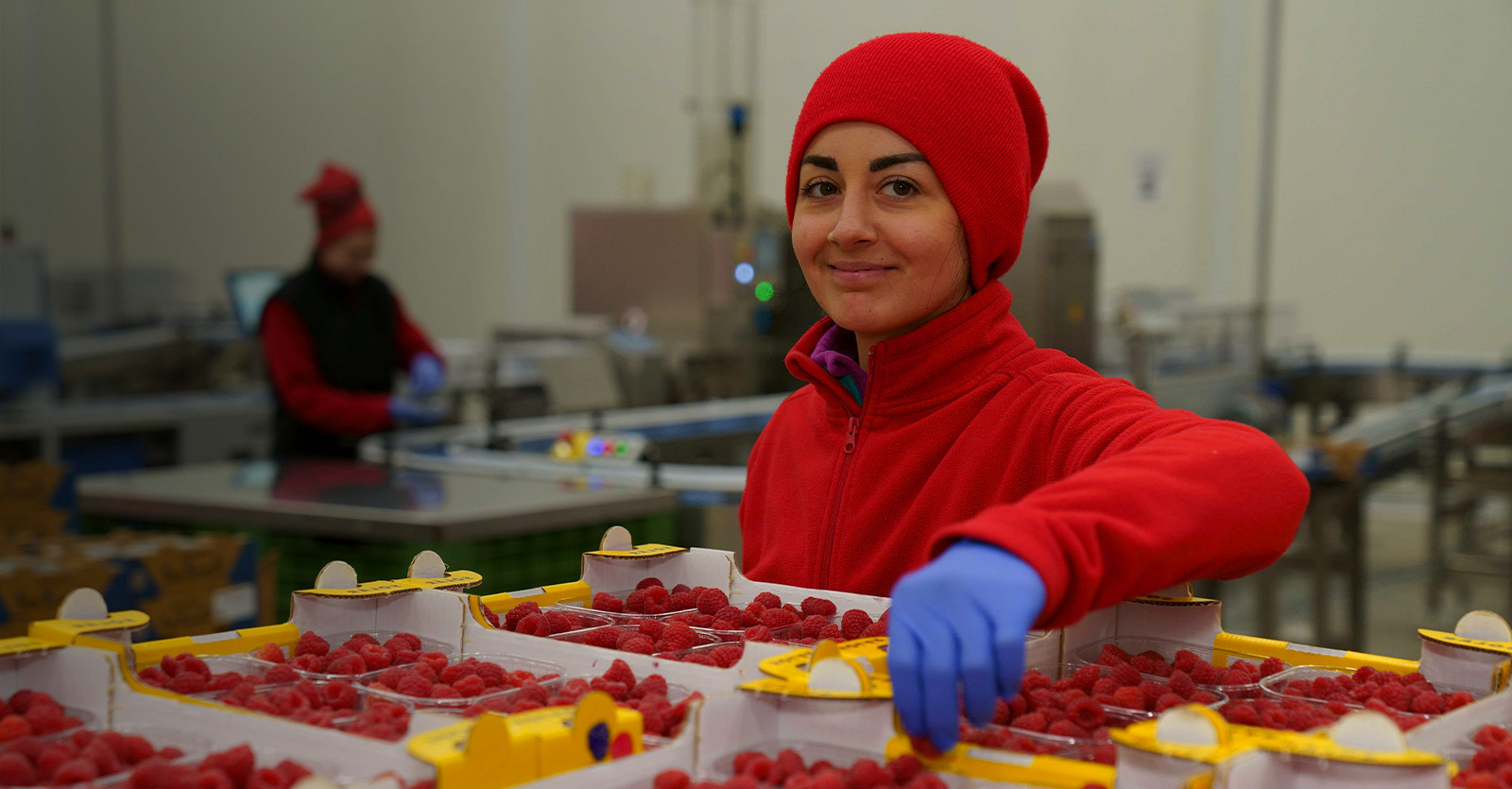




Agiamo sempre con onestà e trasparenza in tutto ciò che facciamo, rispettando le regole e le norme condivise che guidano la società dove viviamo e operiamo quotidianamente.
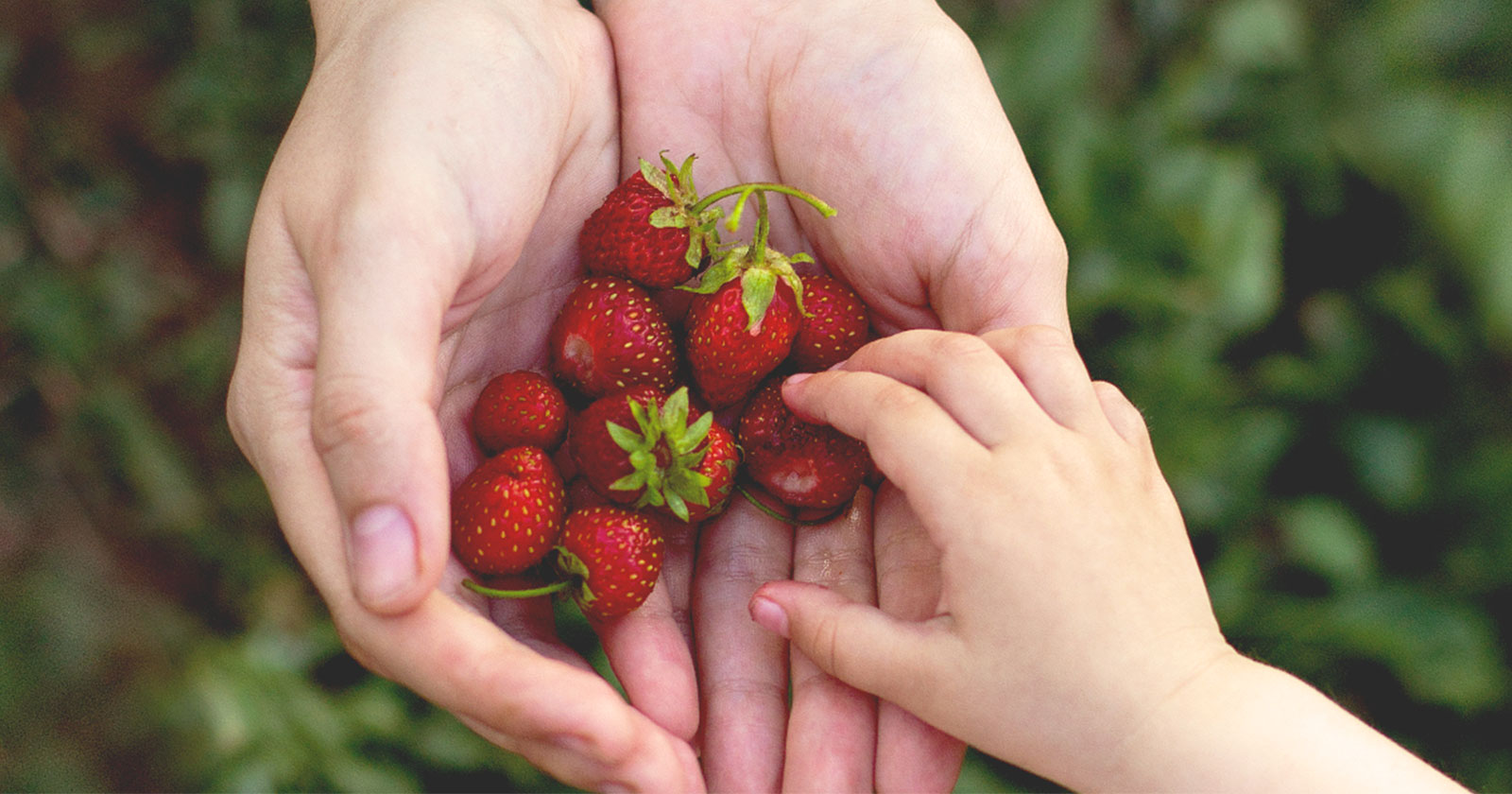
La nostra storia è fatta di passione e dedizione,
che ci danno l’opportunità di esprimere al meglio le nostre competenze.
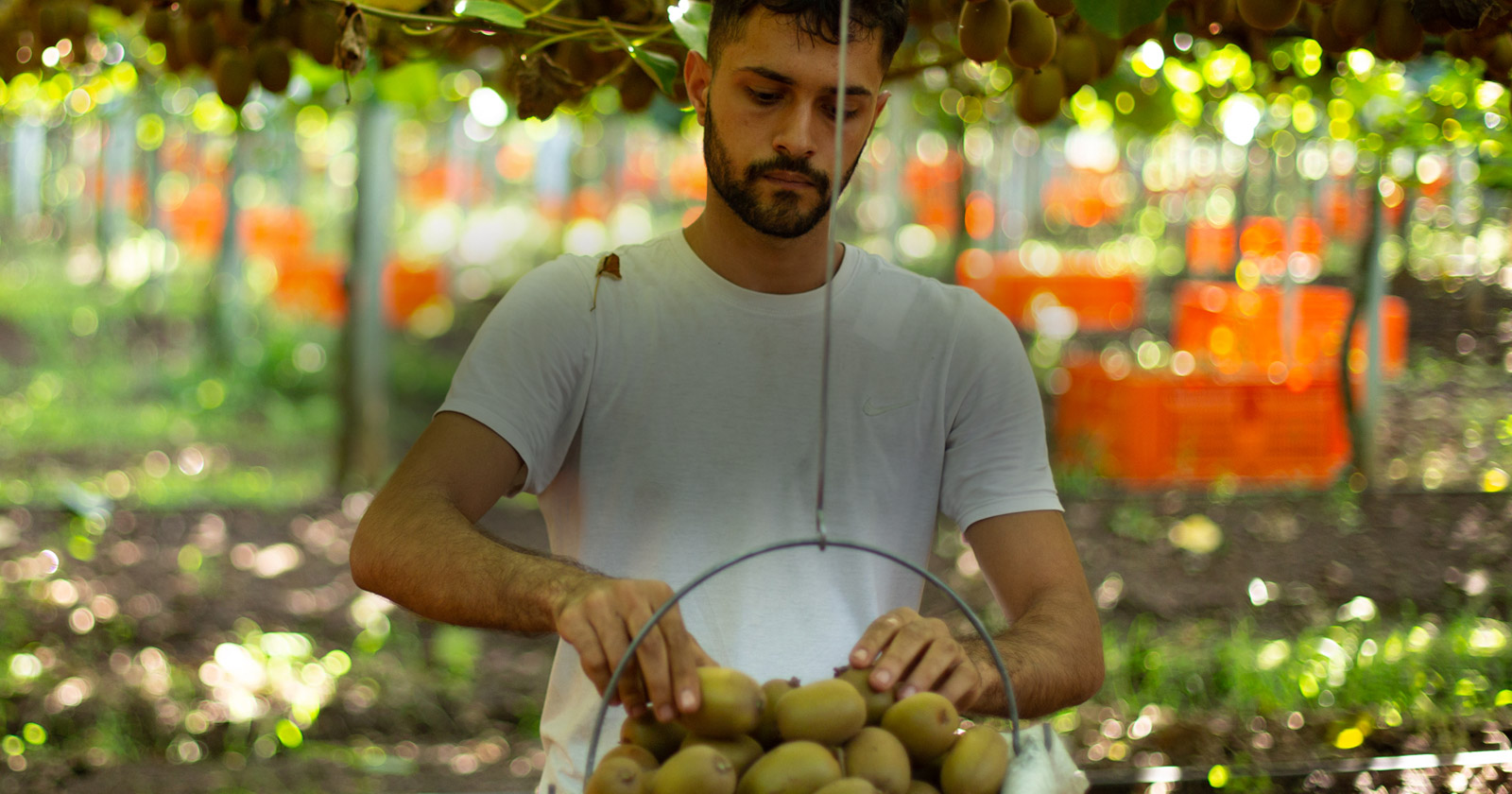
Prestiamo attenzione e cura in ciò che
facciamo, puntando al miglioramento
continuo, per garantire la qualità del nostro
lavoro e del prodotto finale.
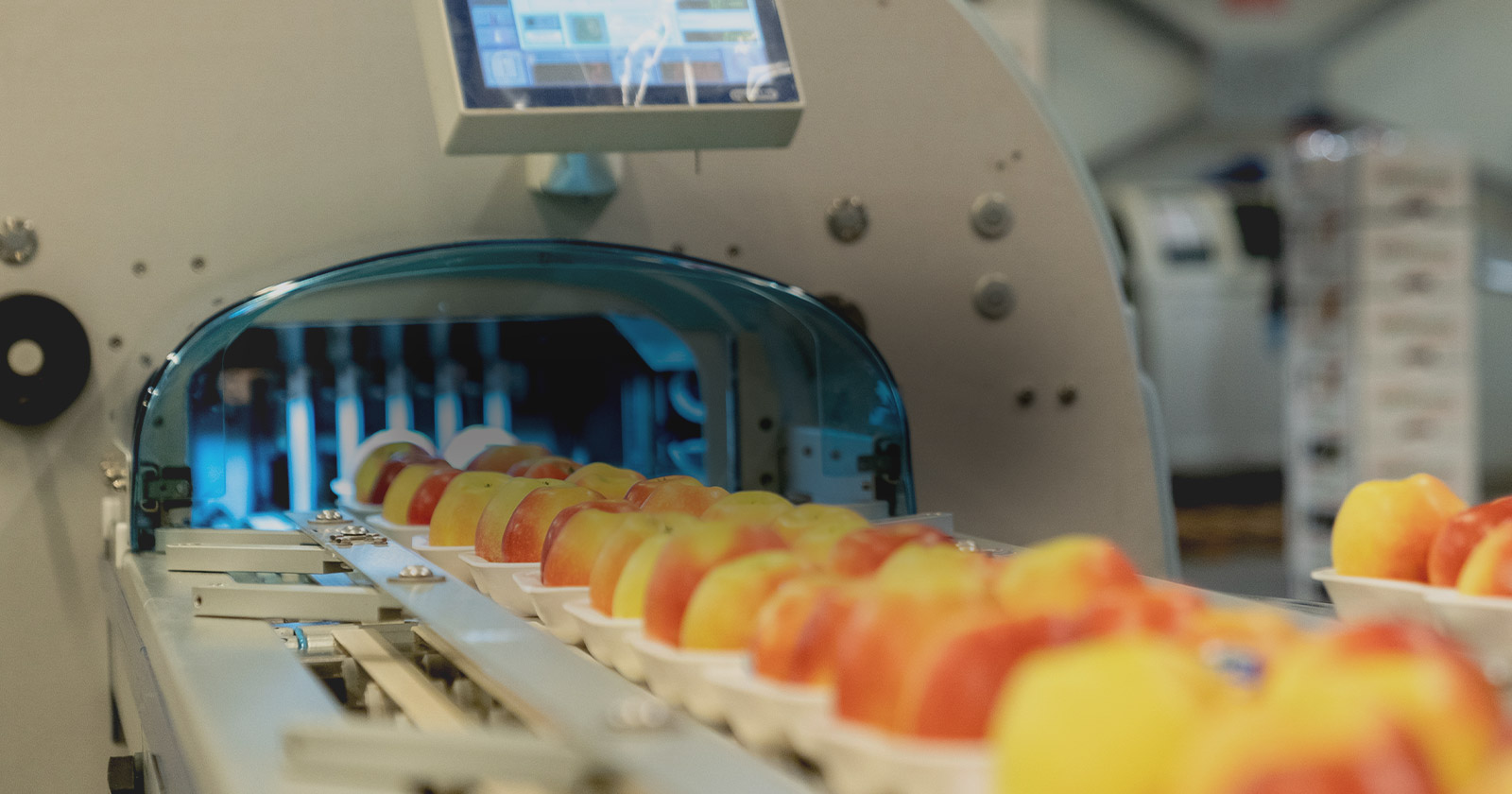
Leggiamo e interpretiamo il cambiamento vivendolo come opportunità. Siamo disponibili a rischiare,
a trovare sempre nuove soluzioni.
Siamo promotori di proposte innovative
capaci di generare valore aggiunto
per le nostre persone, per i partner e per i clienti.
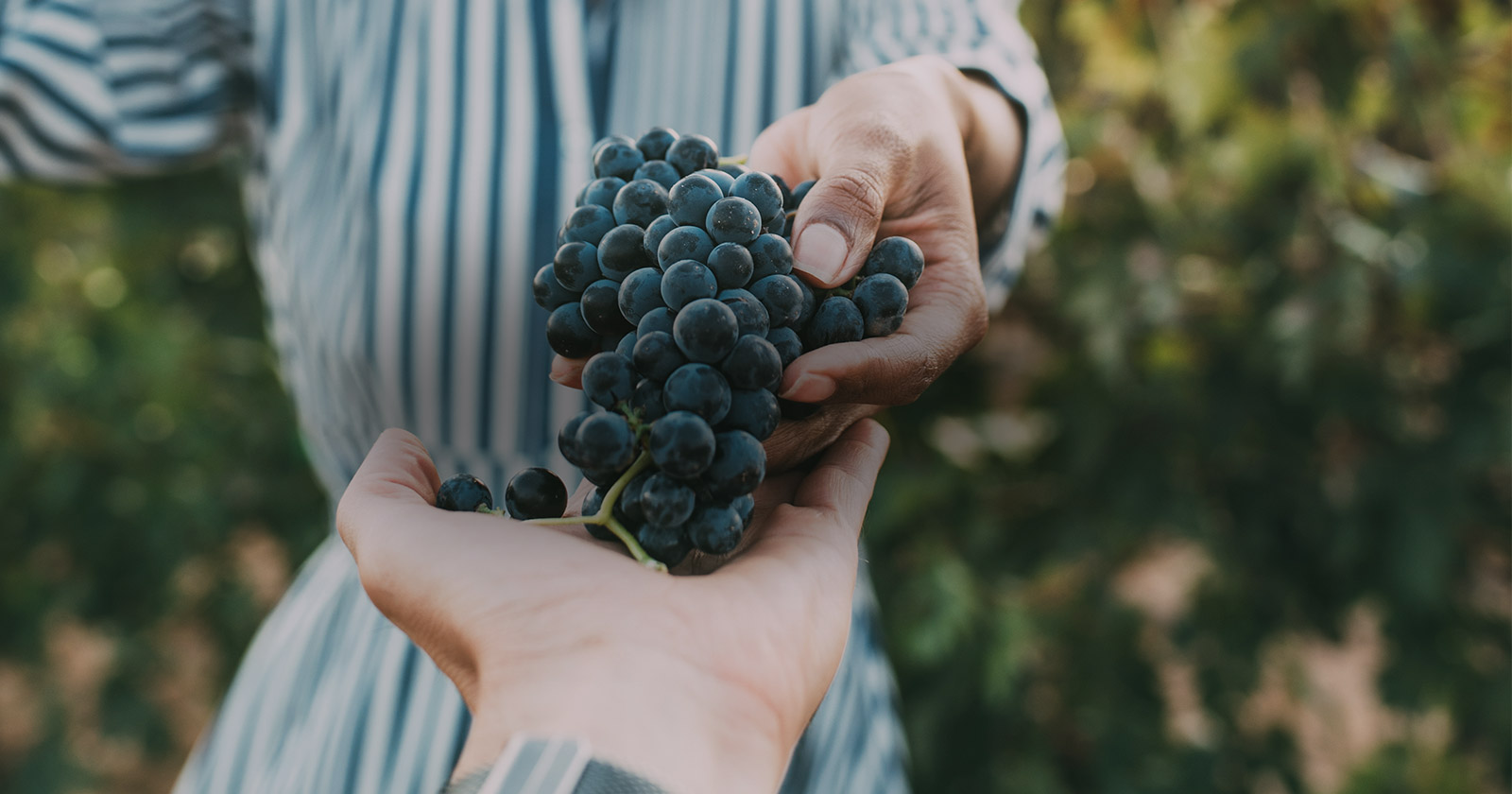
Costruiamo relazioni basate sulla fiducia
reciproca per costruire insieme il nostro futuro.